
Our upper limbs—composed of the hand, wrist, and elbow—are complex biological instruments. Because we use them continuously for work, sports, and daily activities, they are susceptible to a wide range of degenerative and traumatic ailments.
This comprehensive clinical guide breaks down the most common disorders of the upper limb, explaining their symptoms, underlying anatomy, and modern treatment pathways recommended by hand and upper limb specialist Dr. Rohit Somani.
1. Hand & Finger Conditions
From tendon tears to mechanical locking, finger and hand issues can significantly disrupt your fine motor skills and grip strength.
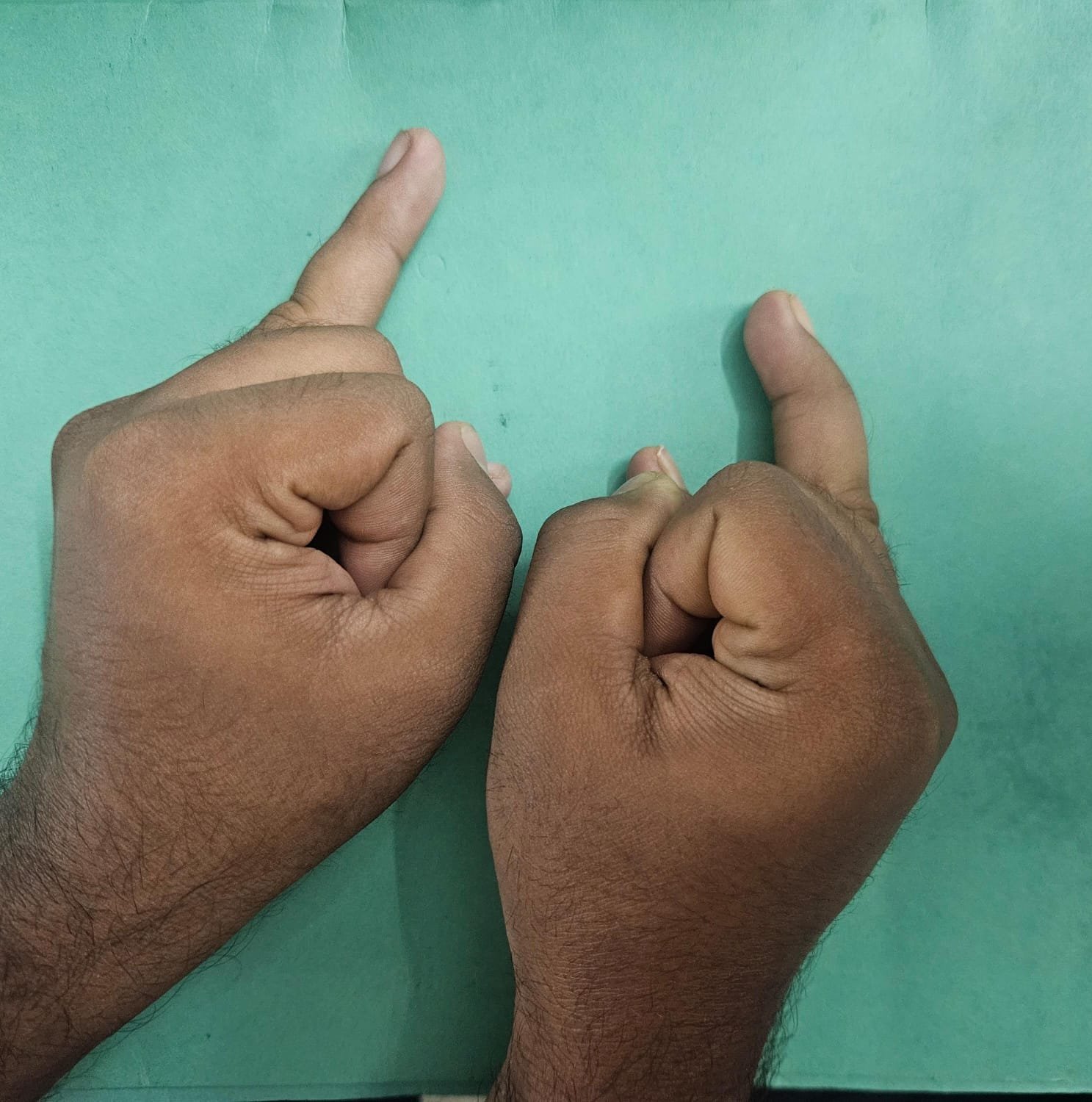
Mallet Finger
Clinical Overview: Commonly caused by a high-velocity ball impact (such as a hard cricket ball) striking the tip of an extended finger. The force ruptures or avulses the extensor tendon at the distal interphalangeal (DIP) joint, making it impossible to actively straighten the finger tip.
Primary Symptom: A distinct "droop" at the fingertip with pain and swelling at the DIP joint.
Treatment Pathway: Over 95% of cases heal successfully without surgery using continuous, specialized splinting for 6 to 8 weeks, ensuring the tendon heals in a fully extended position.
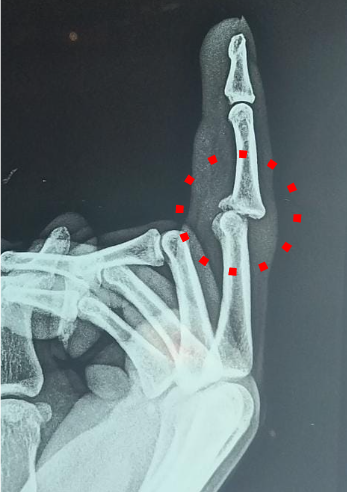
PIP Joint Fracture-Dislocation
Clinical Overview: A severe injury at the proximal interphalangeal (PIP) joint—the middle knuckle—often seen in contact sports and fielding. The force forces the joint out of its socket, frequently accompanied by an avulsion fracture of the volar plate.
Primary Symptom: Deformity, intense pain, rapid swelling, and total loss of finger movement.
Treatment Pathway: Urgent assessment is required to ensure alignment. Treatment ranges from closed reduction and custom splinting/buddy taping to surgical fixation using micro-screws or K-wires for unstable fractures.
Trigger Finger
Clinical Overview: Occurs when localized inflammation causes a nodule to form on the flexor tendon, or when the tendon sheath (the A1 pulley) thickens, restricting smooth tendon gliding.
Primary Symptom: The affected finger or thumb clicks, snaps, or locks in a bent position, particularly in the morning.
Treatment Pathway: Mild cases respond well to rest and corticosteroid injections. Chronic or severe locking is resolved permanently with a quick, minimally invasive 10-minute micro-incision or percutaneous release of the A1 pulley.
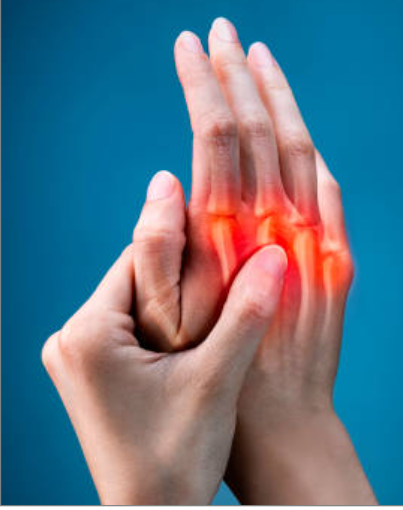
Arthritis of Small Joints (RA / OA)
Clinical Overview: Chronic wear-and-tear of articular cartilage (Osteoarthritis) or autoimmune inflammation of the joint lining (Rheumatoid Arthritis) affecting the small joints of the fingers.
Primary Symptom: Persistent joint pain, stiffness, swelling, and progressive bony deformities over time.
Treatment Pathway: Management starts with joint splinting, anti-inflammatory medications, and targeted injections. Reconstructive joint surgery or fusion is considered for advanced, painful stages to restore stability.
2. Wrist & Nerve Compression
The wrist contains crucial nerve pathways and stabilizers. Fluid wrist mechanics require precise bone and ligament health.
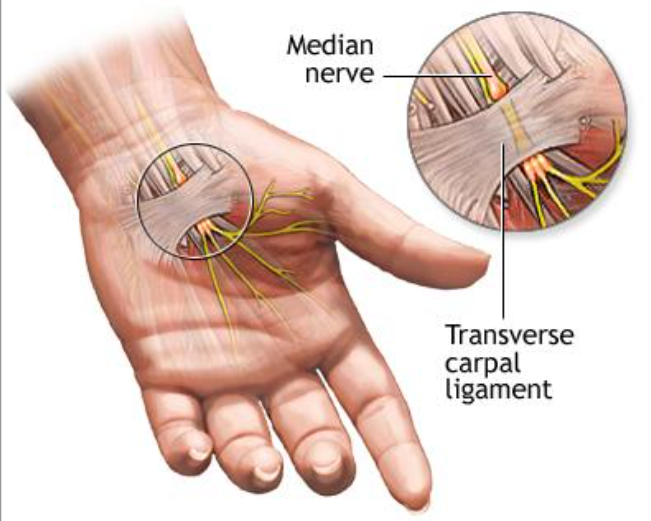
Carpal Tunnel Syndrome (CTS)
Clinical Overview: The most common nerve entrapment syndrome. It occurs when repetitive strain or swelling compresses the median nerve as it passes through the narrow carpal tunnel under the transverse carpal ligament.
Primary Symptom: Numbness, tingling, and radiating pain in the thumb, index, middle, and radial half of the ring finger, especially at night.
Treatment Pathway: Conservative care includes night splints, ergonomic adjustments, and steroid injections. Refractory cases are cured with a highly successful open or endoscopic carpal tunnel release.
De Quervain's Tenosynovitis
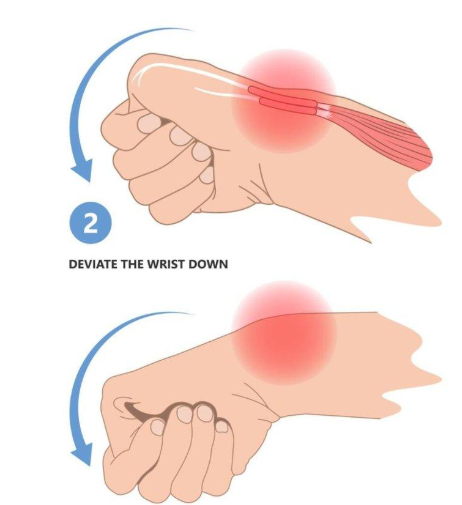
Clinical Overview: Inflammation of the tendons (APL and EPB) in the first dorsal compartment at the base of the thumb and side of the wrist. It is highly common in new mothers and keyboard professionals.
Primary Symptom: Pain and swelling at the base of the thumb, aggravated by pinching, grasping, or making a fist.
Diagnosis & Cure: Diagnosed via a positive Finkelstein's maneuver. Treated with thumb spica splints, local injections, or a minor surgical release of the tendon compartment.
Thumb Base Arthritis (CMC Joint)
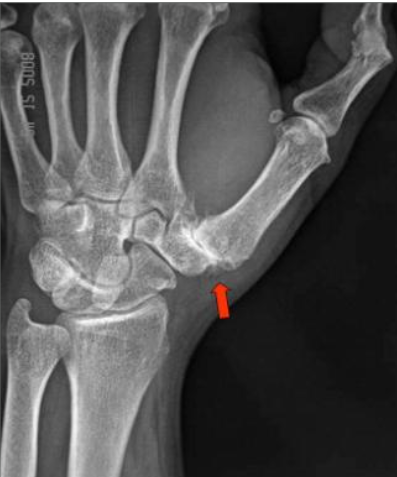
Clinical Overview: Osteoarthritis at the carpometacarpal (CMC) joint at the base of the thumb, which is responsible for pivoting and opposition movements.
Primary Symptom: Gritty pain, tenderness, and weakness during pinching or twisting movements, such as opening jars or turning keys.
Treatment Pathway: Initial treatments focus on splinting, activity modification, and targeted joint injections. Advanced stages can be reconstructed surgically (CMC arthroplasty) to restore painless pinch power.

Scaphoid Fracture
Clinical Overview: A break in the boat-shaped scaphoid bone, usually caused by a fall on an outstretched hand (FOOSH). Because of its retrograde blood supply, undiagnosed fractures are at high risk for Avascular Necrosis (AVN) and non-union.
Primary Symptom: Deep ache and tenderness localized in the anatomical snuffbox area of the wrist.
Treatment Pathway: Displaced or unstable fractures require rigid fixation using a headless compression screw. Biological bone grafting is used to stimulate healing in delayed non-union cases.
TFCC Tear
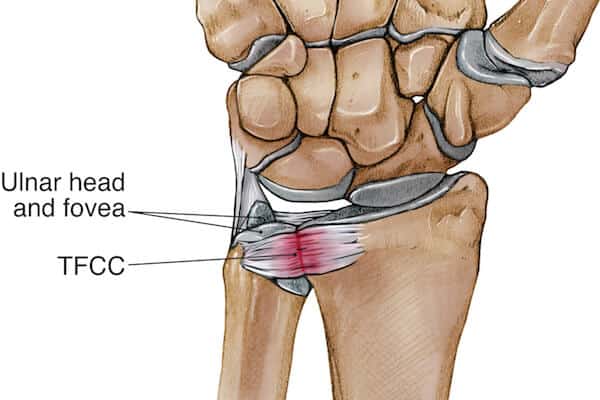
Clinical Overview: Injury to the Triangular Fibrocartilage Complex (TFCC), the main stabilizer on the pinky-side (ulnar side) of the wrist, supporting the distal radioulnar joint (DRUJ).
Primary Symptom: Clicking, popping, or sharp ulnar-sided wrist pain, especially during rotation or weight-bearing tasks.
Advanced Solution: Many complex tears are treated using Wrist Arthroscopy (keyhole surgery), enabling the surgeon to perform micro-repairs and joint debridement through sub-centimeter portals.
3. Elbow & Nerve Compression
Elbow pain can stem from repetitive wrist extensions, flexions, or entrapment of the ulnar nerve pathway.

Tennis Elbow
Clinical Overview: Overuse injury of the common extensor tendon origin at the lateral epicondyle, driven by repetitive wrist extension and forearm rotation.
Primary Symptom: Tenderness and burning pain on the outer part of the elbow, aggravated by gripping or lifting objects.
Treatment Pathway: Rest, eccentric loading exercises, shockwave therapy, or PRP injections. Advanced cases are managed with minimally invasive tendon debridement.
Golfers' Elbow
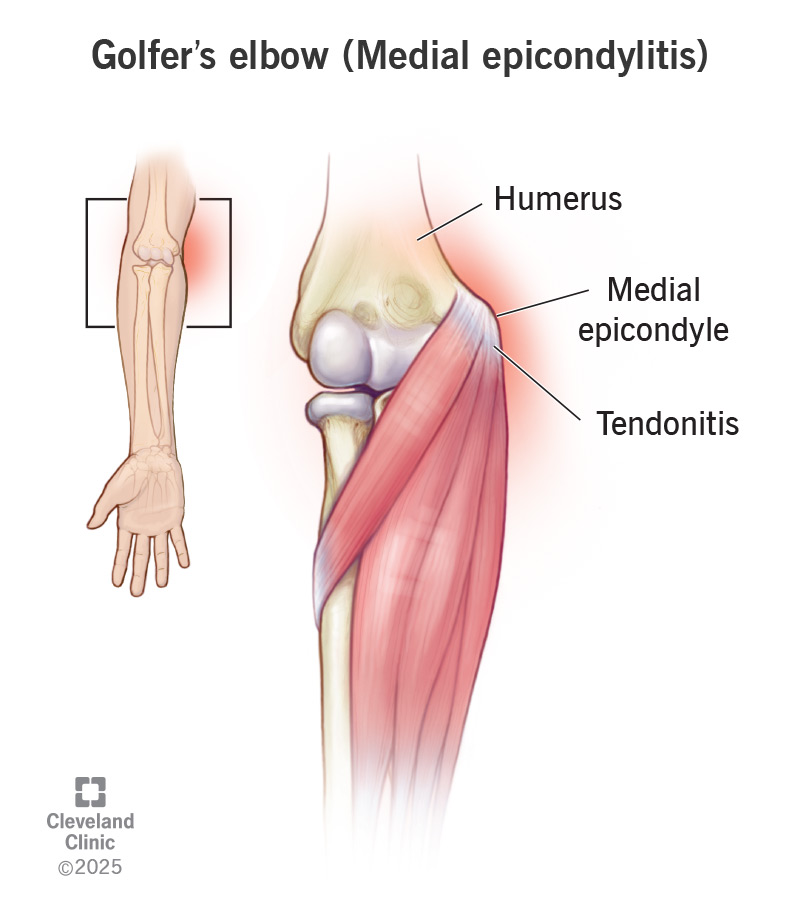
Clinical Overview: Repetitive strain injury of the flexor-pronator tendon origin at the medial epicondyle, caused by forceful wrist flexion and forearm pronation.
Primary Symptom: Pain on the inner side of the elbow, occasionally radiating down the forearm during grip-intensive actions.
Treatment Pathway: Conservative rehabilitation and unloading braces are highly effective. Refractory cases can be corrected with surgical tendon release.
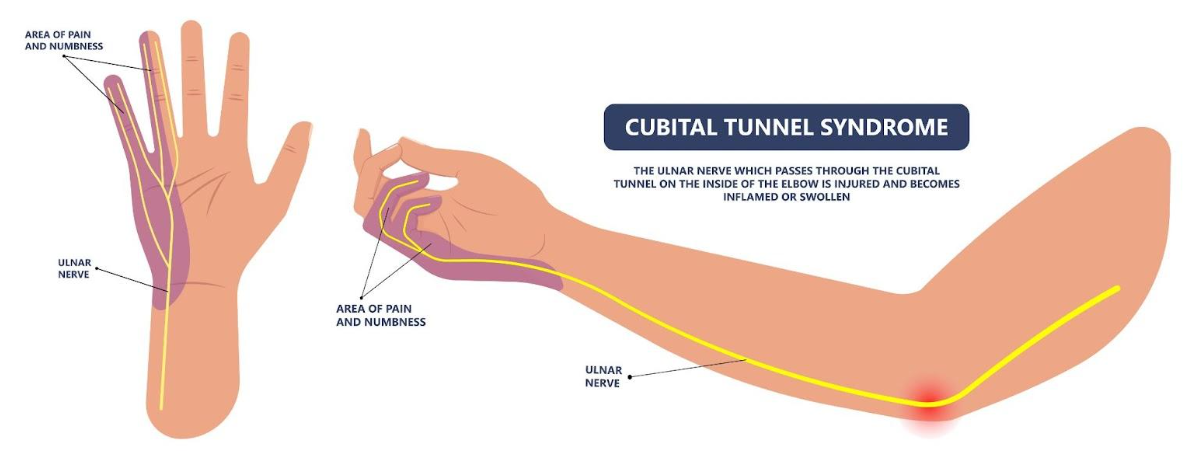
Cubital Tunnel Syndrome
Clinical Overview: Compression of the ulnar nerve as it passes through the cubital tunnel behind the medial epicondyle of the elbow (often called the "funny bone").
Primary Symptom: Numbness, tingling, and a "pins-and-needles" sensation in the pinky and ring fingers, accompanied by elbow ache.
Treatment Pathway: Splinting the elbow in an extended position at night is the first step. Advanced compression with muscle wasting is resolved surgically via ulnar nerve decompression or transposition.
Want to explore the visual slide deck?
Click the button below to view Dr. Somani's complete presentation slides detailing the diagnostics, X-rays, and medical illustrations for these upper limb ailments.
View Real case study